


Lead Change
Bitcoin ETFs shed $630M in one day. Fear & Greed dropped to 34: Fear. On-chain data shows the rally past $80k had zero US spot demand. The buying was borrowed, not real.

Market Snapshot
BTC is holding just under $80k but barely. ETH and SOL are both softer on the day.
Signal Spotlight
Ethereum Up or Down - May 12, 3:00AM-3:15AM ET
Alpha Spotlight
Magnificent 7 · MAG7
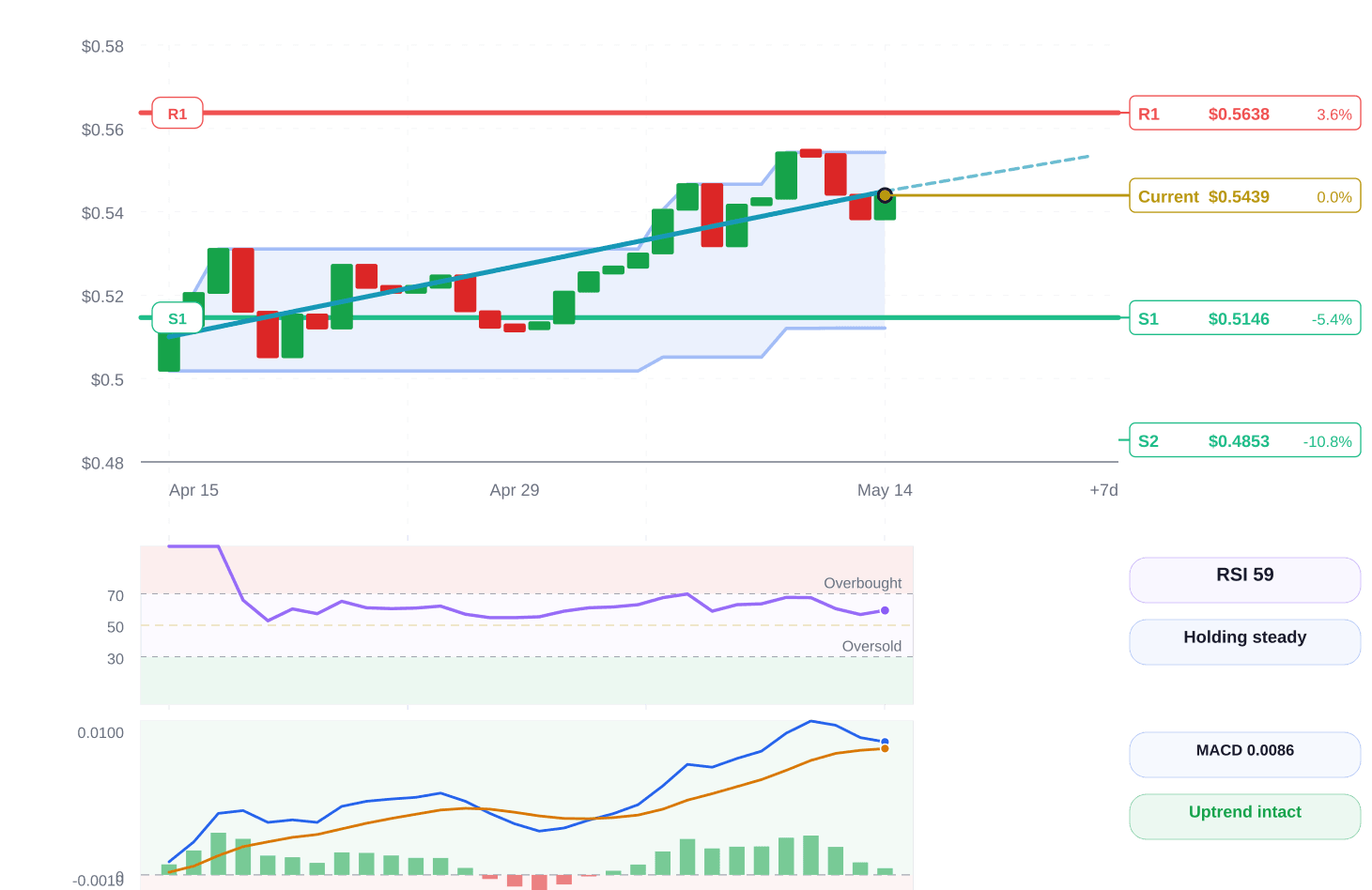
Magnificent 7 led the majors at 2.3% this week.
Magnificent 7 is trading near $0.5439, and the broader structure is still leaning higher. The price moved 2.3% over the last 7 days, keeping the narrative in an active rotation rather than a flat consolidation. Momentum is mixed, so follow-through matters more than assuming a straight-line continuation from here.
5 Changes That Matter

1 Bitcoin ETFs just logged their largest single-day outflow since January: $630M left in one session as corporate treasury demand dried up and resistance built near $80k.
This isn't just a bad day. It's a signal about who was actually buying. On-chain data from CryptoQuant shows the recent rally past $80k came entirely without US spot demand. That means the move was driven by derivatives positioning and non-US buyers, not the institutional accumulation story everyone was telling themselves. When that kind of rally runs out of momentum, the retreat can be sharper than the move up. The $630M outflow is the market saying: we were wrong about who was in this trade. JPMorgan buying BlackRock's IBIT in Q1 looks prescient in hindsight. But one institutional buyer doesn't make a trend.
If Bitcoin ETF flows turn positive for 3 consecutive days while BTC holds above $79k, the outflow was a flush, not a reversal. If outflows continue for another 3 days and BTC breaks below $78k, the resistance level is real and the rally was leverage talking.

2 JPMorgan bought BlackRock's IBIT in Q1 2026, making it one of the largest traditional banks to hold a Bitcoin ETF on its books.
Let that sink in for a second. The same bank whose CEO spent years calling Bitcoin a fraud now holds it as a regulated product on behalf of clients. This isn't JPMorgan going rogue. It's JPMorgan responding to client demand, which is actually more meaningful. When the compliance department signs off, the floodgates open slowly. The question worth asking: if JPMorgan is in IBIT, which banks are still on the sidelines? The answer is most of them. That's either a lot of future buying pressure or a sign that the early movers got in at the right time and the rest are watching. Given that JPMorgan's ETF exposure is disclosed as a Q1 position, it predates the current outflow cycle. Whether they held or trimmed into the $630M bleed is the more interesting question.
Watch Q2 13F filings (due mid-August) to see if JPMorgan added or reduced IBIT exposure. If they added while retail ETF flows went negative, that's the institutional accumulation story with actual evidence behind it.

3 The Bank of England is backing away from its own stablecoin rules, signaling the UK's original proposals were too restrictive to survive industry pushback.
This is what regulatory recalibration looks like in practice. The BOE floated a framework, the industry said it would kill innovation, and now the BOE is softening the edges. The same dynamic played out in the US with the GENIUS Act. The pattern matters: regulators are learning that overly conservative rules don't just slow crypto down, they push activity to friendlier jurisdictions. The UK watched the EU's Mi CA framework attract registrations and is now adjusting. For stablecoin issuers, this is a green light to engage more seriously with UK licensing. For the broader market, it's another data point that the regulatory tide globally is moving toward workable frameworks rather than outright restriction.
If the BOE publishes revised stablecoin guidelines within the next 30 days, watch for Circle or Tether to announce UK registration interest within 60 days of that publication. If the revision is delayed past July, the window closes before UK election season complicates the picture.

4 Coinbase is now the official USDC deployer on Hyperliquid, backing the platform's stablecoin push as DeFi trading volumes climb.
This is a bigger deal than it looks. Hyperliquid has been one of the few DeFi protocols actually growing during a period when most L2 TVL is contracting. Mega ETH is down 40% in TVL this week. Unichain down 15%. Corn down 16%. Meanwhile Hyperliquid's TVL is up 3% over the same period. Having Coinbase as the official USDC deployer means institutional-grade liquidity rails are now embedded in the platform. That's not just a partnership announcement. It's Coinbase placing a directional bet on which DeFi venue wins the perps and stablecoin liquidity wars. The structural implication: if USDC depth on Hyperliquid grows, it becomes harder for competitors to match the execution quality.
If Hyperliquid TVL crosses $2B within the next 30 days while other L2 s continue declining, the Coinbase USDC partnership is the catalyst and the platform is consolidating DeFi liquidity. If TVL stalls below $1.6B, the partnership is infrastructure without adoption.
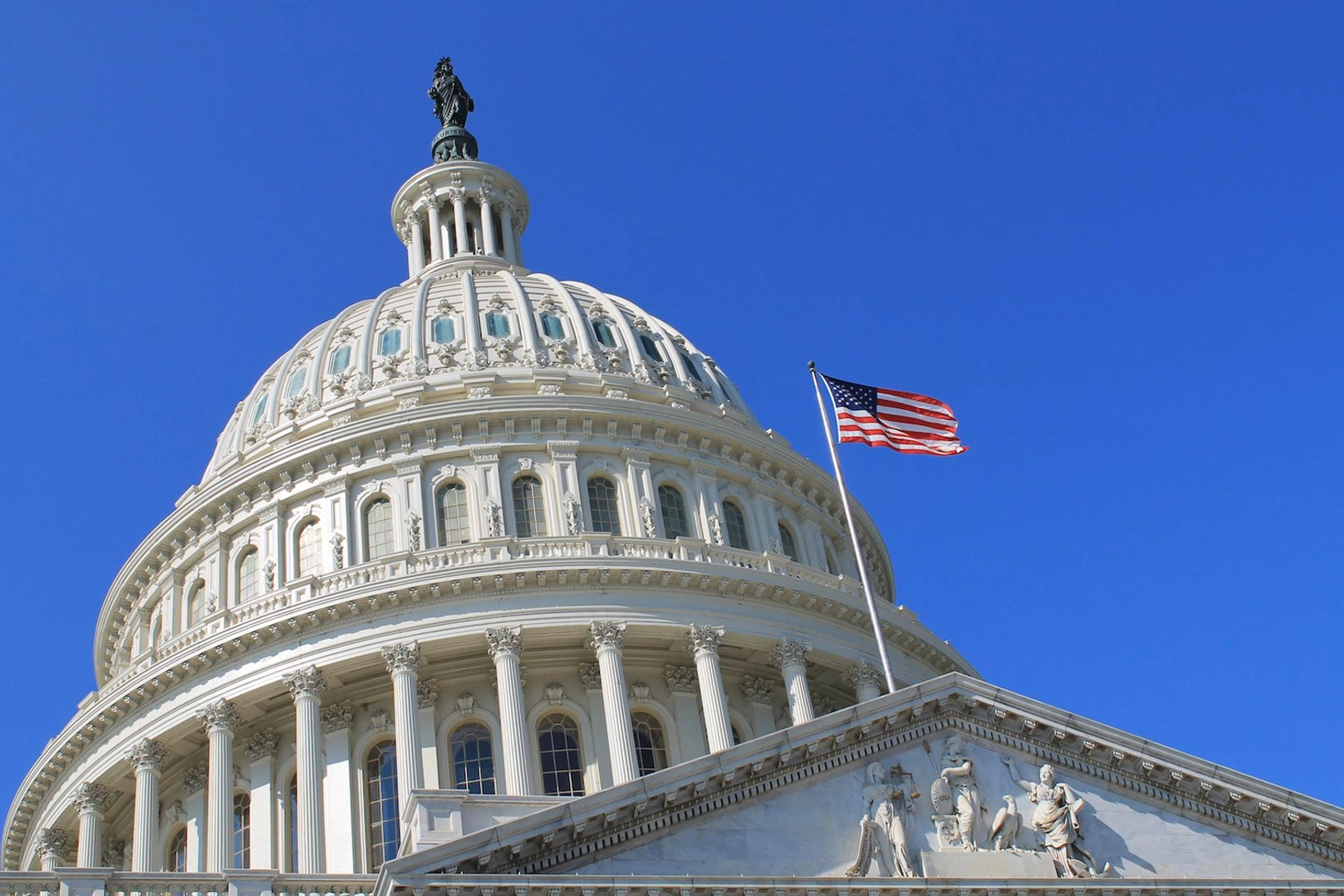
5 The CLARITY Act markup happened. Bitcoin didn't move. Democrats filed anti-DeFi amendments. The bill is alive but messier than the headline suggests.
Market structure legislation is supposed to be the catalyst that unlocks the next wave of institutional adoption. The fact that BTC sat flat through the markup tells you what the market actually thinks: this bill is going to take longer and look different than the clean version everyone hoped for. The anti-DeFi amendments are the tell. If Democrats successfully attach restrictions on decentralized protocols, the bill could end up regulating the exact innovation it was meant to legitimize. Coin Center filed a letter in support of the original framework, which is worth reading if you want to understand what's at stake. The gap between what the bill was and what it might become is where the risk lives.
If the CLARITY Act passes committee without the anti-DeFi amendments attached by the end of May, the path to a Senate floor vote before August recess is open. If the amendments survive markup, the bill's DeFi provisions will face constitutional challenges that could delay implementation by 12 to 18 months.
Sponsored

Kraken — Institutional-grade security since 2011 with zero major hacks.
Trade Securely Now →Risk Map
01 ETF outflows expose the rally as leverage-driven, not demand-drivenThe $630M single-day ETF exit combined with on-chain data showing zero US spot demand during the recent rally means the move above $80k had no structural foundation. Traders are heavily leaned long on borrowed conviction. If outflows continue, the unwind could be disorderly. |
02 L2 TVL is contracting across the board with no obvious destinationMega ETH down 40%, Unichain down 15%, Corn down 16%, Aevo down 14% in a single week. Total L2 TVL is off about 1.4% over 7 days. The capital isn't rotating into winners. It's leaving. When liquidity exits without a clear destination, it usually means broader risk-off, not a narrative shift. |
03 New Fed Chair Warsh skews hawkish into a market that needs rate cutsKevin Warsh confirmed as Fed Chair in the closest vote in modern history. His hawkish reputation means rate cuts could come later and fewer than markets are pricing. Crypto trades as a risk asset. A Fed that holds rates higher for longer is a headwind that doesn't show up in funding rates until it's already hitting price. |
04 synthesisNet positioning: cautiously bearish until ETF flows reverse for 3 consecutive days and Fear & Greed climbs back above 45. |
Catalysts (Next 7 Days)
📅 CLARITY Act Senate committee outcome This week
Anti-DeFi amendments are live in markup. If they survive, the bill's scope narrows significantly and implementation timelines stretch. If they're stripped, the path to a floor vote opens before August recess.
📅 Bitcoin ETF flow reversal watch Rolling — next 7 days
After the largest single-day ETF outflow since January, the next 3 to 5 trading sessions will confirm whether this was a one-day flush or the start of a sustained exit. Consecutive outflows would pressure BTC below $78k.
📅 Bank of England revised stablecoin framework Next 30 days
The BOE signaled it will water down its original stablecoin proposals after industry backlash. The revised framework will determine whether the UK becomes a viable licensing destination for Circle, Tether, and new entrants, or loses ground to the EU's Mi CA regime.

Sources
- Bitcoin ETFs just logged their largest single-day outflow... decrypt.co
- Bitcoin ETFs just logged their largest single-day outflow... decrypt.co
- JPMorgan bought BlackRock's IBIT in Q1 2026, making... cointelegraph.com
- The Bank of England is backing away from... coindesk.com
- The Bank of England is backing away from... cointelegraph.com
- Coinbase is now the official USDC deployer on... coindesk.com
- Coinbase is now the official USDC deployer on... theblock.co
- The CLARITY Act markup happened. Bitcoin didn't move.... coindesk.com
- The CLARITY Act markup happened. Bitcoin didn't move.... bankless.com
- The CLARITY Act markup happened. Bitcoin didn't move.... coincenter.org
- coingecko.com coingecko.com
- defillama.com defillama.com
- stablecoins.llama.fi stablecoins.llama.fi
- alternative.me alternative.me
Disclosures
Not investment advice. For education only. Crypto is high risk. We may earn affiliate revenue from some links.
