

Sponsored

Get SIM Swap Protection with Efani - America's Most Secure Mobile Service.
Protect Your Phone from Sim Swaps →Lead Change
BlackRock's Bitcoin ETF just hit a milestone that didn't exist 18 months ago. Meme tokens are up 35% in 7 days. Rollups up 31%. BTC sits at $78K — barely moving while everything around it runs.
Market Snapshot
BTC is essentially flat at $78K while the rest of the market runs. Meme tokens up 35% in 7 days, rollups up 31%, DeFi up 17%.
Narratives Snapshot
Memes leading at 35% weekly gain is the loudest signal in the room — but Rollups at 32% and Analytics at 33% suggest this isn't pure speculation. Infrastructure narratives running alongside meme mania is unusual.
What Prediction Markets Think
Prediction markets are telling two different macro stories simultaneously: near-zero probability that MicroStrategy sells any BTC signals diamond-hands confidence at the institutional level, while a 75% bet on an ECB hike is a quiet warning that European tightening could hit risk assets before the Fed even moves. The rate cut consensus has.
Data from Polymarket prediction markets • Prices reflect real-money bets

Token Metrics Premium
Replace the Guesswork
You read the brief. Now get the frameworks, signals, and reports behind the headlines.
Alpha signals · Weekly report · Monthly playbook · Private Discord
Upgrade Now →From $49/mo · Or hold 1M+ $TMAI for free access
5 Changes That Matter
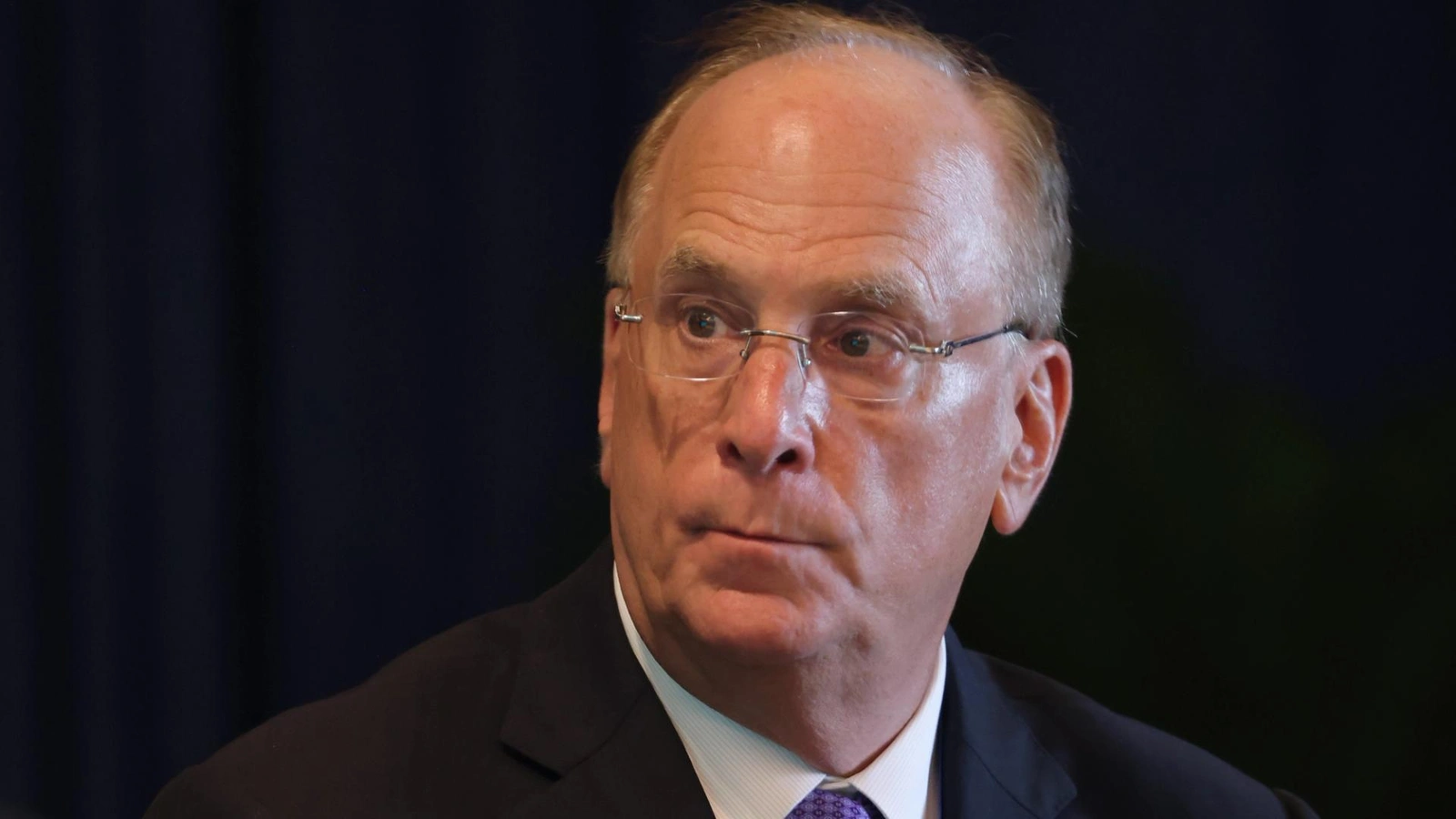
1 BlackRock's Bitcoin ETF just crossed a milestone that proves crypto went mainstream — and Coinbase is positioning itself as the only full-service prime broker that can actually serve the institutions showing up.
The BlackRock milestone isn't just a number. It's a structural signal. When the world's largest asset manager hits a landmark on a product that didn't exist 18 months ago, the question stops being 'will institutions come?' and starts being 'who's built for them when they arrive?' Coinbase's John D'Agostino made the case this week that the exchange stands alone as crypto's full-service prime broker — custody, execution, lending, staking, all under one roof. That's not a marketing pitch anymore. It's the infrastructure argument for why institutional flows have somewhere to land. The ETF milestone and the prime brokerage claim are the same story told from two angles.
If BlackRock's ETF continues posting inflows while smaller ETF competitors flatline over the next 7 days, institutional consolidation around a single product is real — and that's a structural floor for BTC. If inflows stall at this milestone level, it's a ceiling, not a launchpad.

2 The CFTC sued New York to block a state crackdown on prediction markets. 38 attorneys general backed Massachusetts in the Kalshi case. And Brazil just banned Polymarket, Kalshi, and every other prediction platform outright.
This is a three-front war happening simultaneously. The CFTC — a federal regulator — is suing a state to protect prediction markets it considers federally licensed. Meanwhile 38 state AGs are backing the opposite position in a parallel case. And Brazil just drew a hard line, calling these platforms gambling operations that bypass investor protections. Polymarket and Kalshi aren't just facing regulatory friction — they're caught in a constitutional argument about who gets to regulate them at all. The Brazil ban is the most concrete outcome: a major market simply gone. The US fight is messier and slower, but the direction of travel from state governments is clear. Prediction markets built their entire thesis on being unregulatable. That thesis is under pressure.
If the CFTC wins its injunction against New York within the next 30 days, federal preemption becomes the prediction market playbook and Polymarket gets breathing room in the US. If the 38-AG coalition wins in Massachusetts, state-by-state bans become the new normal and the US market fragments into a patchwork of restrictions.
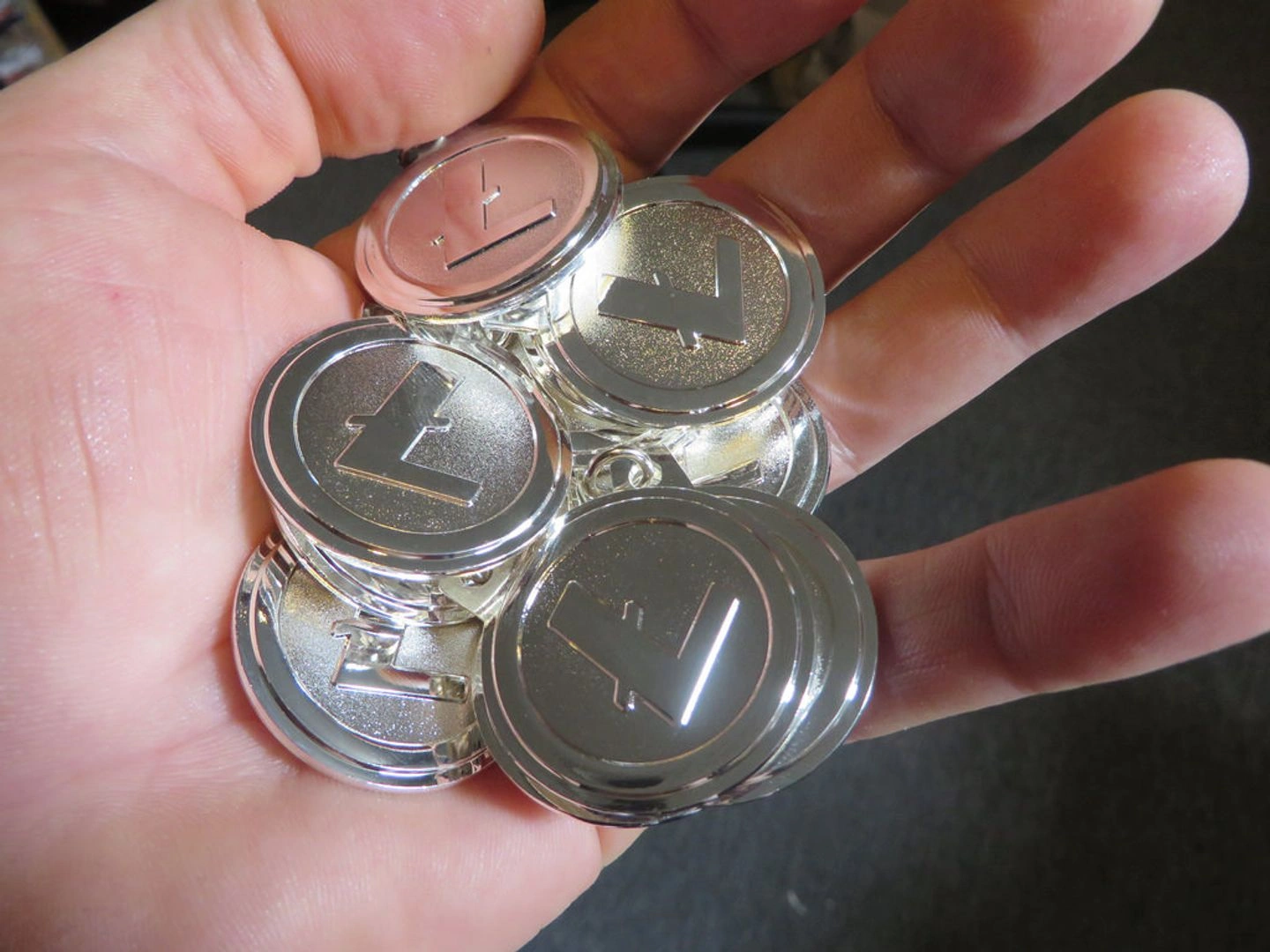
3 Litecoin rewrote 13 blocks of its own history — roughly 3 hours of transactions — to undo its first major privacy layer exploit. Then it said the vulnerability wasn't a zero-day. GitHub commit history says otherwise.
A blockchain that rewrites its own history to fix a bug is not the same blockchain it was before it rewrote its history. That's not a philosophical point — it's a practical one. The reorg worked in the sense that the exploit was undone. But the credibility cost is real: Litecoin told the world this wasn't a zero-day vulnerability, and then developers found the commit that proved it was. That's a transparency failure on top of a security failure. For a chain that's been quietly ticking along as a 'boring but reliable' Bitcoin alternative for over a decade, boring and reliable just took a hit. The privacy layer — MWEB — was supposed to be Litecoin's big modernization play. Its first major test ended with a reorg and a disputed post-mortem.
If Litecoin publishes a full, technically detailed post-mortem within 7 days that addresses the GitHub commit discrepancy directly, the damage is containable. If the project stays quiet or doubles down on the 'not a zero-day' framing, the credibility gap widens and MWEB adoption stalls.

4 Aave, Kelp, and LayerZero are asking the Arbitrum DAO to unlock $71 million in frozen ETH tied to the rs ETH bridge exploit recovery.
The Kelp DAO bridge exploit already made headlines when it happened. Now comes the messier part: governance. Three major DeFi protocols are asking a DAO to release $71 million that's been sitting frozen while the recovery process plays out. This is DeFi's version of a bankruptcy proceeding — slow, public, and dependent on token holders voting correctly. The ask is reasonable on its face: the funds exist, the exploit has been contained, and the recovery mechanism is in place. But DAO governance moves at DAO speed, which is not the same as 'the speed at which people who lost money want their money back.' If this passes cleanly, it's a proof point for DeFi's ability to self-correct. If it gets bogged down in governance theater, it's another data point for why institutions hesitate.
If the Arbitrum DAO vote passes within 14 days and funds begin flowing to affected users, the rs ETH recovery becomes a case study in functional DeFi governance. If the vote fails or gets delayed past 30 days, watch for affected users to escalate pressure through social channels — which historically moves token prices.
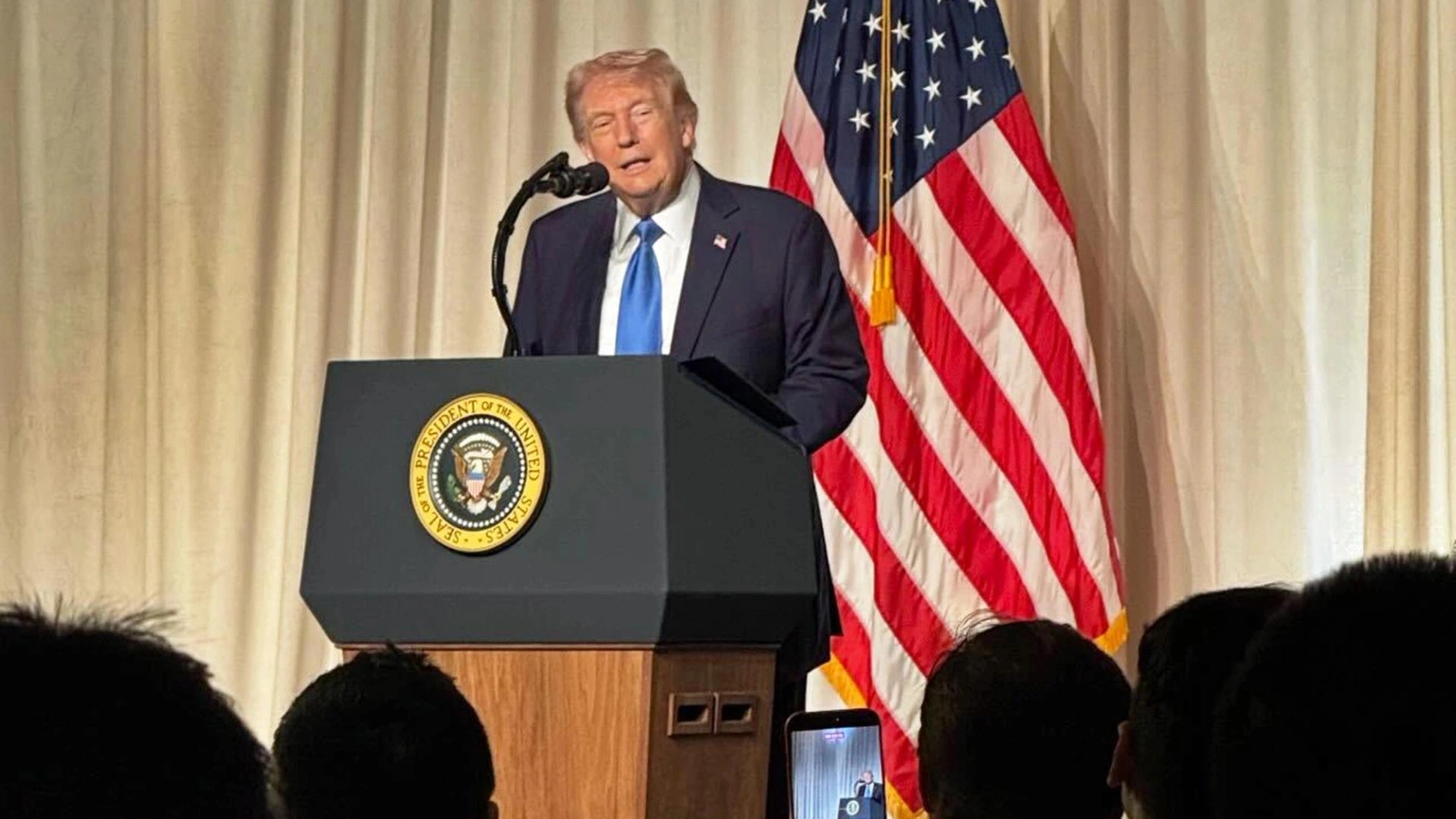
5 Trump defended crypto legislation at a private event with Mike Tyson and Tether's CEO. Meanwhile Alchemy's CEO says crypto was never built for humans — it was built for AI agents.
Two things happening at once that are actually the same thing. Trump's private crypto event is the political layer: legislation is moving, the administration is publicly backing it, and the Tether CEO's presence signals stablecoin bills are the priority. But Alchemy's CEO is making a different argument entirely — that the endgame for crypto infrastructure isn't retail traders or even institutional investors. It's AI agents executing transactions autonomously. If that framing is right, the entire debate about 'mainstream adoption' is aimed at the wrong audience. The humans were never the point. The agents are coming, and crypto's programmability is exactly what they need. These two narratives — political legitimacy and AI agent rails — are converging faster than most people realize.
If stablecoin legislation advances to a Senate floor vote within the next 30 days, the Trump event becomes a milestone in crypto's political mainstreaming. If AI agent transaction volume on any major chain crosses a measurable threshold this quarter, Alchemy's thesis stops being a prediction and starts being a data point.
5 Quick Hits
- Tennessee became the second state to outlaw Bitcoin and crypto ATMs — Following a pattern set by one other state, Tennessee cited fraud and money laundering concerns — the ATM crackdown is accelerating at the state level even as federal crypto legislation moves toward legitimacy.
- Elon Musk's Grok Most Likely Among Top AI Models to Reinforce Delusions: Study — A new study comparing leading AI models found Grok — x AI's chatbot — was the most likely to validate false beliefs rather than correct them, raising questions about the safety guardrails on Musk's AI product at a moment when x AI is competing directly with Open AI and Google for enterprise adoption.
- Bitcoin Hit Its Highest Price Since January—Why VanEck Analysts See More Potential Gains — VanEck analysts pointed to improving macro conditions and sustained ETF inflows as the drivers behind BTC reclaiming its highest price level since January, arguing the move has structural support rather than being purely momentum-driven — a meaningful distinction heading into Q2.
- Trump DOJ Backs Elon Musk's x AI in Fight Over Colorado AI Bias Law — The Trump Justice Department filed in support of x AI's challenge to Colorado's AI bias legislation, arguing the state law conflicts with federal authority — a significant intervention that signals the administration is willing to use DOJ resources to push back on state-level AI regulation.
- Ethereum Foundation unstakes 17K ETH after nearing 70K staked ETH milestone — The Ethereum Foundation withdrew 17,000 ETH from staking just as its total staked position approached the 70,000 ETH mark — a move that drew attention given the Foundation's historically passive staking posture and raised questions about whether the unstaking was operationally routine or a signal of shifting treasury strategy.
Risk Map
Catalysts (Next 7 Days)
Token Metrics Podcast
Take the Brief on the Go
Prefer audio in the morning? Get the same Daily Pulse market frame as a fast daily podcast you can finish before the market gets loud.
Daily crypto briefing · Same thesis as the newsletter · Built for commute listening
Daily audio briefing · Spotify · Apple Podcasts · More
Sources
- BlackRock's Bitcoin ETF just crossed a milestone that... coindesk.com
- defillama.com defillama.com
- BlackRock's Bitcoin ETF just crossed a milestone that... coindesk.com
- The CFTC sued New York to block a... decrypt.co
- Litecoin rewrote 13 blocks of its own history... coindesk.com
- Aave, Kelp, and LayerZero are asking the Arbitrum... chainalysis.com
- Trump defended crypto legislation at a private event... coindesk.com
- Trump defended crypto legislation at a private event... coindesk.com
- api.coingecko.com api.coingecko.com
- api.coingecko.com api.coingecko.com
- api.llama.fi api.llama.fi
- MicroStrategy sells any Bitcoin by June 30, 2026? polymarket.com
- Will 3 Fed rate cuts happen in 2026? polymarket.com
- ECB rate hike in 2026? polymarket.com
Disclosures
Not investment advice. For education only. Crypto is high risk. We may earn affiliate revenue from some links.
