


Lead Change
The Senate Banking Committee just set a markup date for the CLARITY Act. Trump Media posted a $406 million Q1 loss on BTC and CRO markdowns. Fear & Greed sits at 38. The legislation is moving. The portfolios are bleeding.

Market Snapshot
Bitcoin is barely moving, up less than 1% on the day and holding just above $80K. ETH and SOL are similarly flat.
Signal Spotlight
Bitcoin Up or Down on April 22?
Alpha Spotlight
Solana · SOL
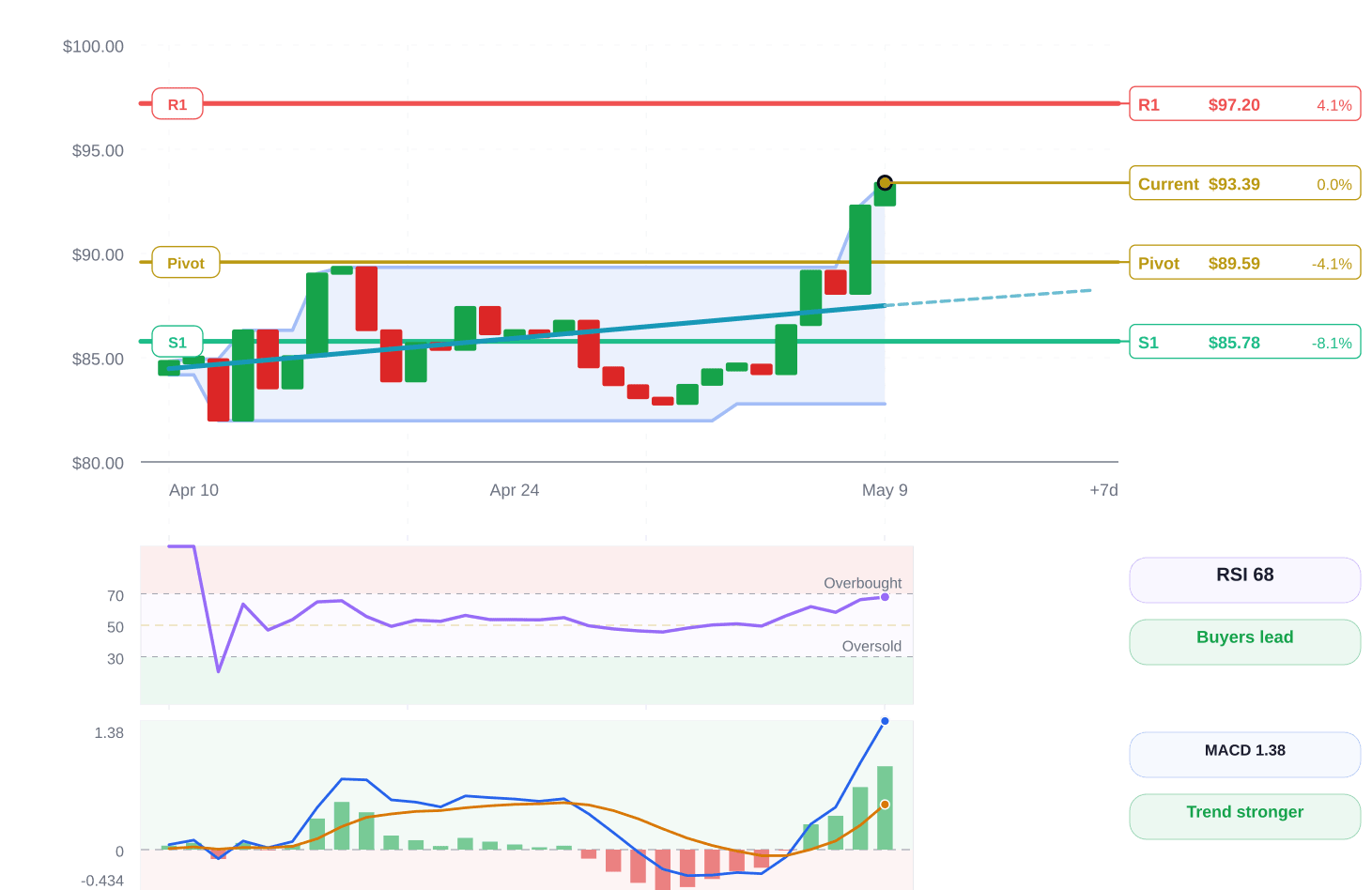
Solana led the majors at 10.6% this week.
Solana is trading near $93.39, and the broader structure is still leaning higher. The price moved 10.6% over the last 7 days, keeping the narrative in an active rotation rather than a flat consolidation. The move is getting crowded enough that upside may come in shorter bursts rather than a straight line.
5 Changes That Matter
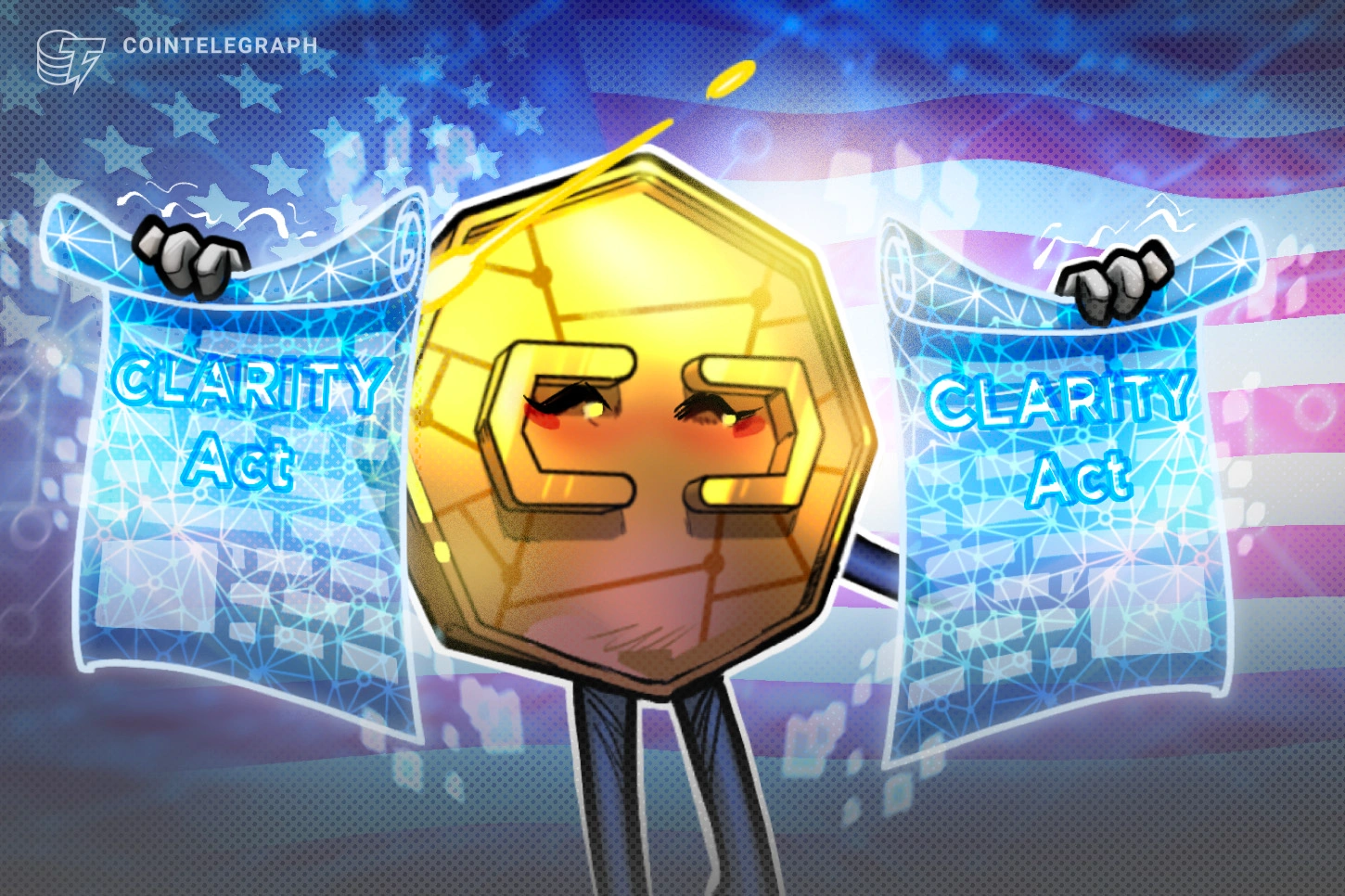
1 The Senate Banking Committee has set a markup date for the CLARITY Act, the most sweeping crypto market structure legislation the US has attempted.
This is the moment the crypto industry has been lobbying toward for three years. A markup date means the bill is being taken seriously, not just used as a press release. The CLARITY Act would draw a cleaner line between which tokens are securities (SEC turf) and which are commodities (CFTC turf). Right now that line is drawn in court, one enforcement action at a time. If this passes, the entire compliance calculus for US crypto companies changes. The banking industry is already pushing back, arguing the bill lets stablecoins sidestep bank oversight. That fight is going to get loud before this gets to a floor vote.
If the markup produces a clean committee vote within 14 days, the bill has real momentum toward a July 4 White House deadline. If amendments from banking lobbyists gut the stablecoin provisions, watch for the crypto industry to split on whether to support the revised version.
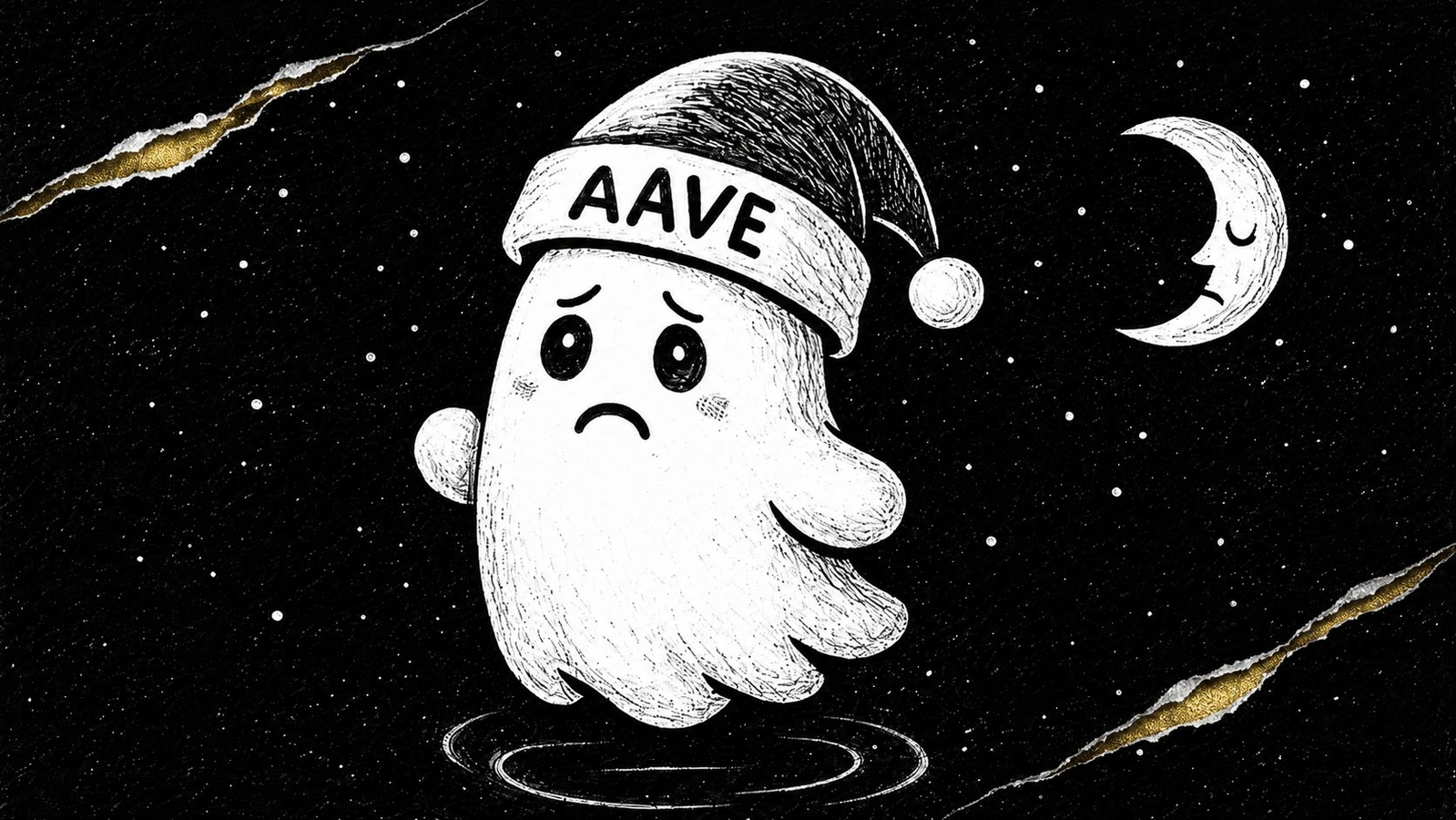
2 LayerZero issued a public apology for its response to the Kelp DAO exploit, admitting it made a critical error by relying on a single verifier setup.
This is the kind of post-mortem that should make every DeFi user uncomfortable. LayerZero is one of the most widely used cross-chain messaging protocols in the space. The exploit drained $293 million from Kelp DAO. The apology is notable because it's rare: most protocols issue vague statements about 'security improvements.' LayerZero said the quiet part out loud. A single verifier setup is a single point of failure. That's not a sophisticated attack. That's a config error at scale. Aave is now overhauling its collateral and listing standards in response. When the lending market's biggest protocol starts tightening standards after an exploit, that's the DeFi equivalent of a bank raising lending requirements after a default wave.
If Aave's collateral overhaul proposal passes governance in the next 7 days, watch for TVL to temporarily dip as users reassess their positions. If the proposal stalls, the market will read it as governance capture and that's a worse signal.
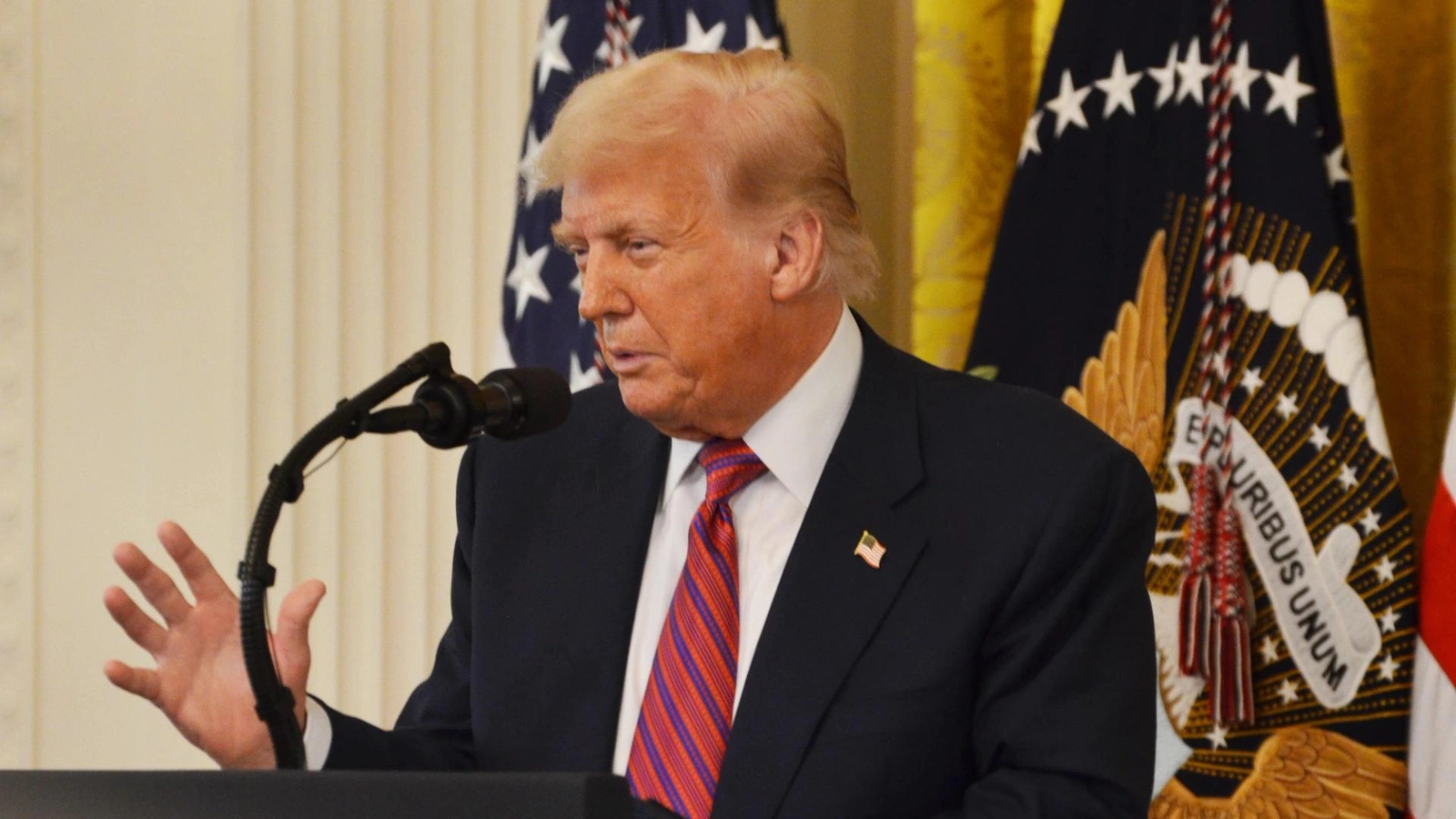
3 Trump Media's Q1 filing reveals the company held Bitcoin and CRO as its primary treasury assets going into a quarter where both tokens declined sharply, forcing mark-to-market losses that widened the company's overall deficit.
This is what happens when a media company decides to become a crypto treasury and the market doesn't cooperate. Trump Media was supposed to be the next MicroStrategy play. Instead it's a case study in timing risk. The company bought BTC and CRO at levels that are now underwater, and it has to mark those losses to market every quarter. The political dimension makes this stranger: the company associated with a sitting president is posting nine-figure losses on crypto bets while the same administration is trying to pass pro-crypto legislation. That's a lot of cognitive dissonance to hold at once.
If Trump Media discloses additional crypto purchases in Q2 filings, the market will read it as doubling down. If they trim holdings, it signals the treasury strategy is quietly being abandoned. Watch the next 13F filing.

4 Binance says emerging market users are treating crypto exchanges like banking apps, with everyday financial activity replacing speculation as the primary use case.
This is the adoption story that doesn't get enough attention. Everyone talks about ETF inflows and institutional custody. Meanwhile, in countries with weak currencies and limited banking access, people are using Binance to pay bills, receive salaries, and store savings. That's not speculation. That's utility. It also means the user base is becoming structurally stickier. A trader leaves when the market goes sideways. Someone using crypto as their primary financial tool doesn't have that option. The risk here is regulatory: if governments in those markets decide crypto exchanges are unlicensed banks, the crackdown could be abrupt.
If Binance releases country-level data on non-trading transaction volume in the next 30 days, watch for which markets show the highest banking-app usage. That's the roadmap for where crypto adoption is real versus where it's still speculative.

5 Project Eleven argues it may already be too late to complete Bitcoin's quantum migration before quantum computing poses a real threat.
Most people dismiss quantum risk as a 'someday' problem. Project Eleven is making the case that 'someday' has a deadline, and the migration window is closing. The concern is specific: wallets that have exposed public keys (anyone who has sent a transaction) are theoretically vulnerable once quantum computers reach sufficient scale. Bitcoin's migration would require a network-wide upgrade to quantum-resistant cryptography. That means consensus. That means politics. That means the kind of coordination that took years for simpler upgrades. The report isn't saying quantum computers can break Bitcoin today. It's saying the time needed to migrate may exceed the time available before they can. That's a different and more serious argument.
If a major Bitcoin core developer or foundation publicly endorses a quantum migration timeline in the next 30 days, the narrative moves from fringe to mainstream. If the community stays silent, that silence is itself a risk signal.
Sponsored
Kraken — Institutional-grade security since 2011 with zero major hacks.
Trade Securely Now →Risk Map
01 Sentiment stuck in Fear despite price stabilityThe Fear & Greed Index has sat at 38 for two consecutive days while BTC holds above $80K. That gap between price and sentiment usually resolves one of two ways: price catches down to sentiment, or sentiment catches up to price. Right now traders are not buying the stability narrative. |
02 DeFi security confidence under pressure after LayerZero apologyWhen a top cross-chain protocol admits a single-verifier config error enabled a $293 million exploit, it raises questions about how many other protocols are running similar setups. Aave tightening collateral standards is the right response but it signals the sector knows the problem is broader than one incident. |
03 CLARITY Act banking opposition could stall or water down stablecoin provisionsThe banking industry is publicly framing the CLARITY Act as a stablecoin evasion vehicle. If that framing sticks in committee markup, the bill that emerges could be weaker than the version the crypto industry is celebrating today. Regulatory clarity that carves out stablecoins is partial clarity at best. |
04 SynthesisNet positioning: cautiously neutral until the CLARITY Act markup produces a clean vote and Fear & Greed climbs back above 50. |
Catalysts (Next 7 Days)
📅 Aave Collateral and Listing Standards Governance Vote Next 7 days
Aave's proposed overhaul following the Kelp DAO exploit will set new standards for what collateral is accepted across the largest DeFi lending protocol. The outcome could trigger position adjustments and short-term TVL movement.
📅 Parallel Protocol PIP-67 Vote (Agentic Payments v3.2) Mon May 10
Parallel's governance vote on introducing agentic payment infrastructure closes tomorrow with 100% support. If passed, it's one of the first on-chain approvals of AI-agent-native payment rails, a signal for the broader ai_agents narrative.

Sources
- Trump Media's Q1 filing reveals the company held... coindesk.com
- The Senate Banking Committee has set a markup... cointelegraph.com
- The Senate Banking Committee has set a markup... decrypt.co
- LayerZero issued a public apology for its response... unchainedcrypto.com
- Binance says emerging market users are treating crypto... coindesk.com
- Project Eleven argues it may already be too... coindesk.com
- Parallel Protocol PIP-67 Vote (Agentic Payments v3.2) bankless.com
- coingecko.com coingecko.com
- defillama.com defillama.com
- stablecoins.llama.fi stablecoins.llama.fi
- alternative.me alternative.me
Disclosures
Not investment advice. For education only. Crypto is high risk. We may earn affiliate revenue from some links.
