


Lead Change
Kraken just applied for a federal bank charter. SEC Chair Atkins signals new rules for on-chain markets. Fear & Greed dropped 9 points to 38. TradFi is building the rails while sentiment quietly falls apart.

Market Snapshot
BTC is essentially flat on the day, holding just above $80 thousand while SOL outperforms with a 4% gain. The Fear & Greed Index dropped 9 points to 38, back into Fear territory after sitting at Neutral yesterday.
Alpha Spotlight
Solana · SOL
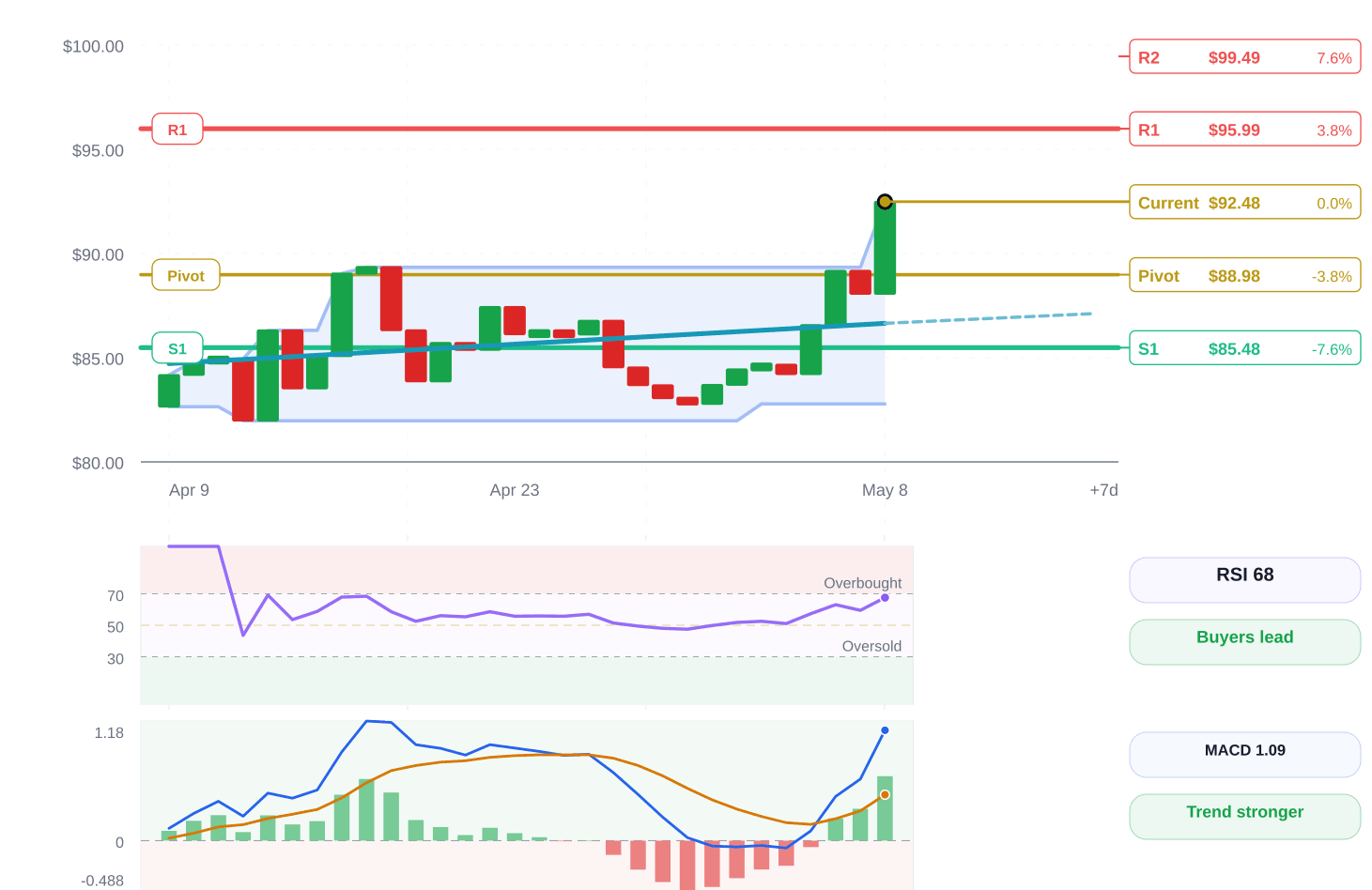
Solana led the majors at 10.5% this week.
Solana is trading near $92.48, and the broader structure is still leaning higher. The price moved 10.5% over the last 7 days, keeping the narrative in an active rotation rather than a flat consolidation. The move is getting crowded enough that upside may come in shorter bursts rather than a straight line.
5 Changes That Matter
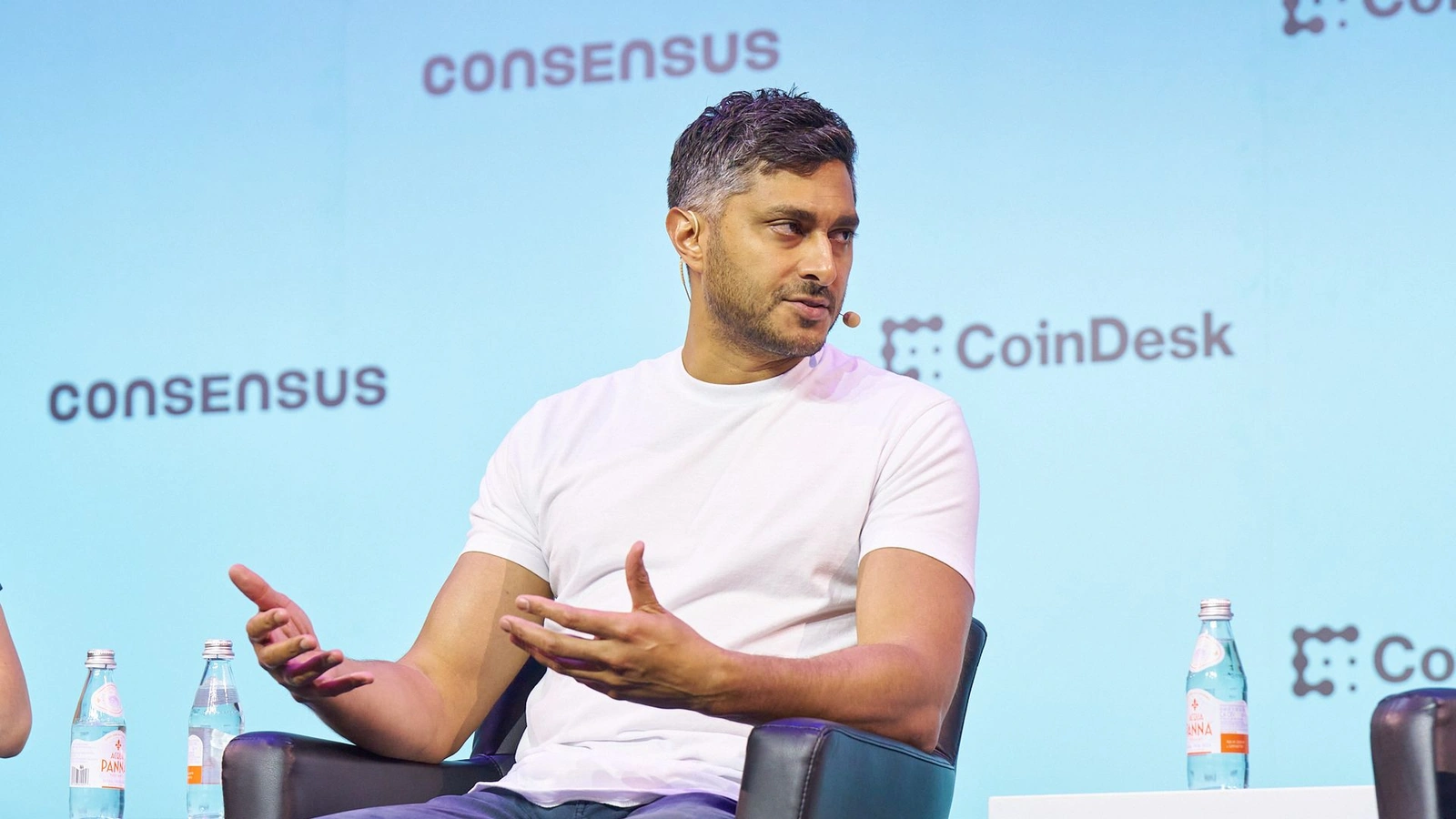
1 Kraken's parent Payward just applied for a national trust bank charter with the OCC, putting it in the same regulatory category as BNY Mellon and JPMorgan's trust arms.
This isn't a press release. It's a declaration of intent. A federal charter would let Kraken hold customer assets, offer custody, and operate across all 50 states without navigating a patchwork of state licenses. Ripple and Coinbase have been down this road before and hit walls. What's different now: the OCC under the current administration has been signaling crypto openness, and Kraken filed after watching those signals carefully. If approved, Kraken becomes the first crypto-native exchange with full federal banking status. That's not a competitive advantage. That's a moat.
If the OCC acknowledges the application within 30 days and doesn't immediately push back, Kraken's path is real. If the agency issues a request for additional information or flags concerns within 2 weeks, expect a long fight. Watch for Coinbase and Ripple's public response: silence means they're filing next.
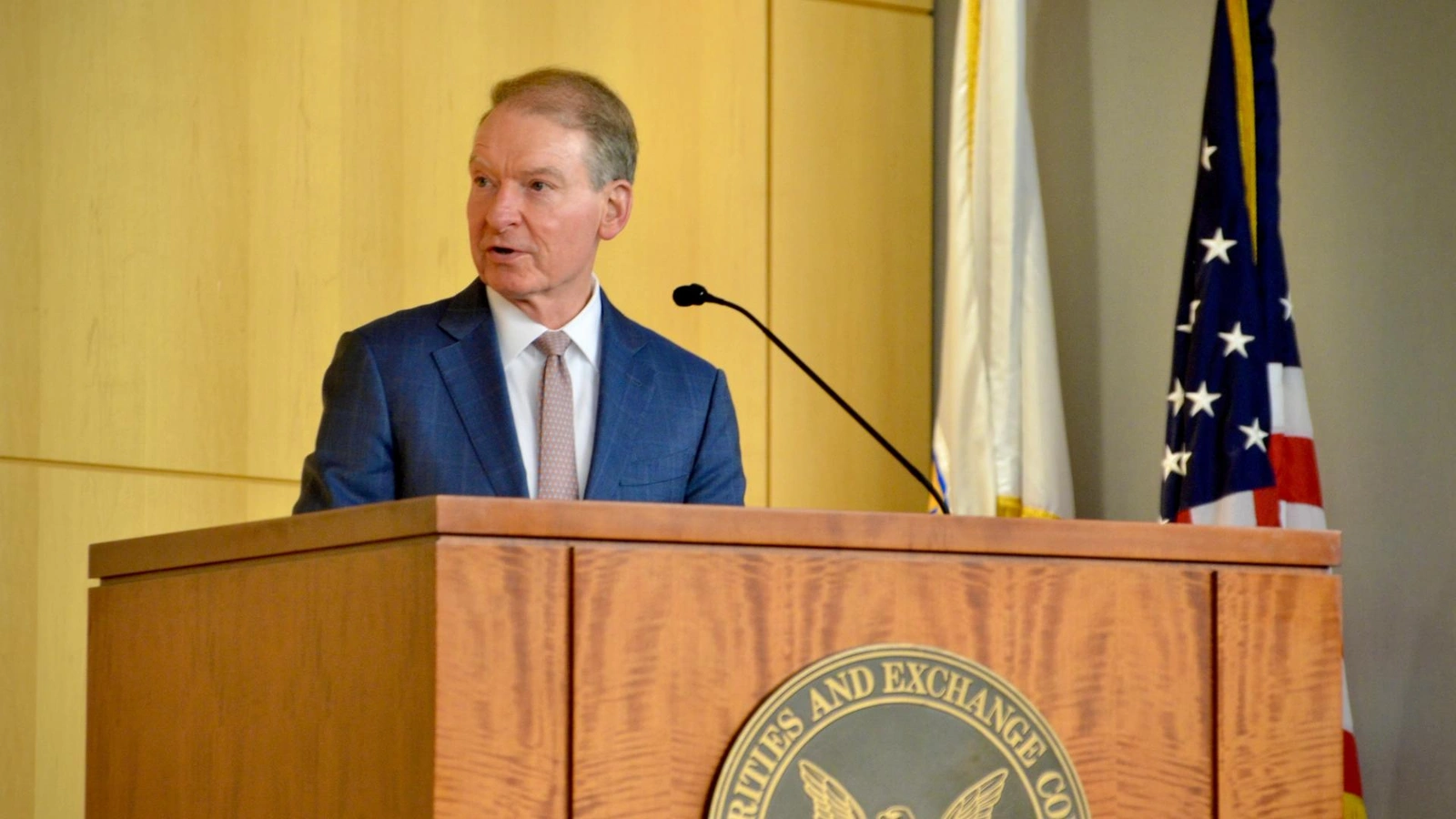
2 SEC Chair Atkins signaled the agency is weighing new rulemaking for on-chain market structures and AI-driven finance, marking the clearest pivot yet from enforcement-first to rules-first crypto policy.
For three years, the SEC's crypto strategy was: sue first, write rules never. Atkins just flipped that script. He's talking about building a regulatory framework for on-chain markets and software applications, which is code for: DeFi protocols might get a legal path forward instead of a Wells notice. This matters enormously for Uniswap, Aave, and every protocol that's been operating in legal gray space. The catch: rulemaking takes time. We're talking 12 to 24 months minimum before anything is final. But the signal itself changes how institutional capital thinks about DeFi exposure.
If the SEC publishes a formal Advance Notice of Proposed Rulemaking (ANPR) on on-chain markets within 60 days, the regulatory pivot is real and DeFi tokens should reprice. If Atkins' comments stay at the speech level with no formal follow-through by July, it's positioning, not policy.
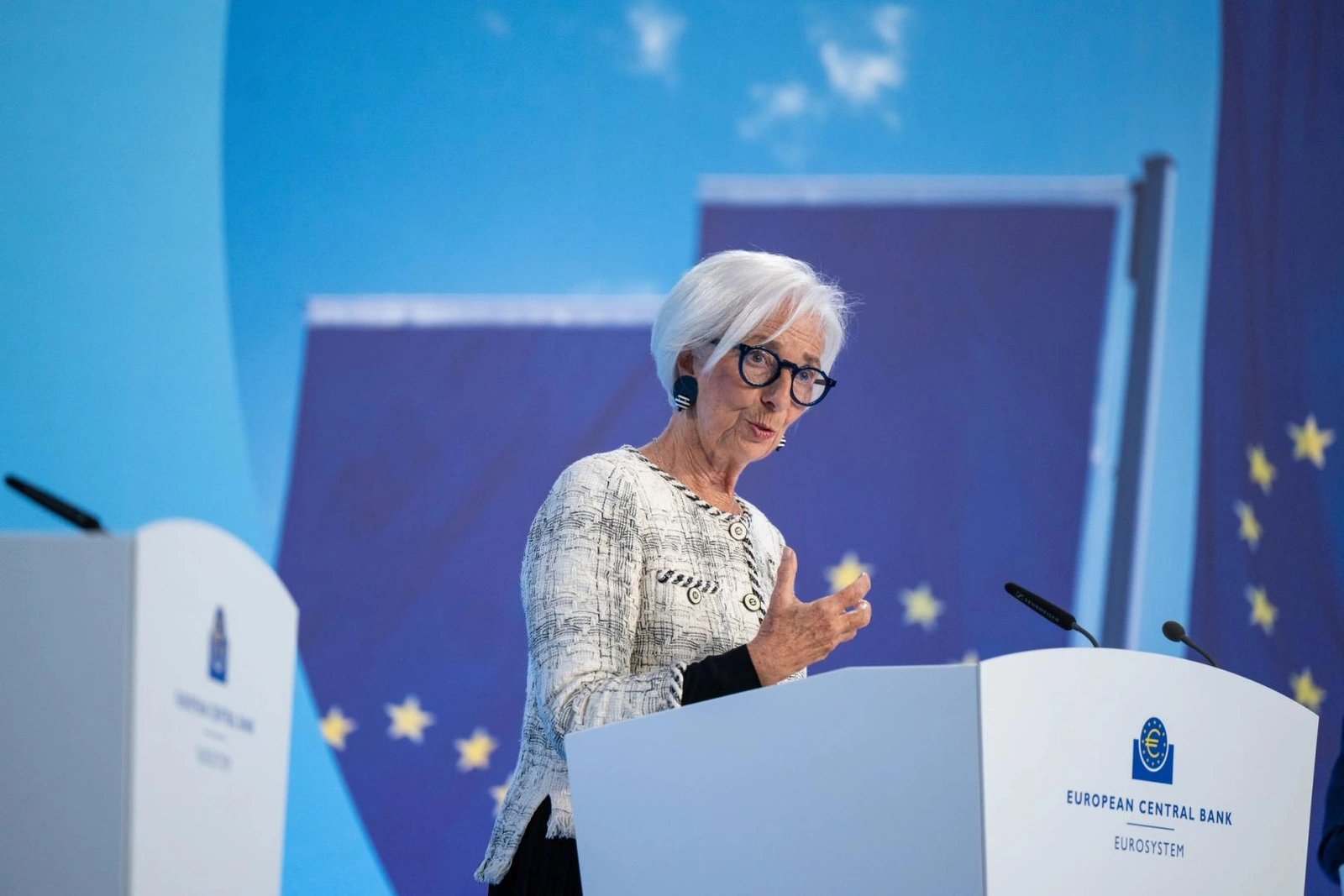
3 The ECB's Christine Lagarde warned that Tether and Circle stablecoins risk "digital dollarisation" in Europe, calling for urgent action to develop a digital euro before USD-denominated stablecoins entrench themselves.
Lagarde isn't wrong about the risk, she's just late to the conversation by about four years. Tether and USDC already process more cross-border value than most European banks. The ECB's concern is real: if Europeans start holding USDT instead of euros for savings and payments, the ECB loses a lever on monetary policy. But here's the second-order read: this kind of political pressure from central banks is exactly what accelerates stablecoin legislation. The Clarity Act in the US, the EU's Mi CA framework, and now Lagarde's public alarm bells are all pointing to the same outcome. Regulated stablecoins are coming. The question is whose.
If the EU fast-tracks a digital euro pilot or Mi CA enforcement actions against Tether within the next 90 days, Lagarde's speech was a policy signal, not a press event. If Circle's USDC gains regulatory approval in any EU jurisdiction before a digital euro launches, the ECB lost the race it was warning about.

4 Bitcoin miner IREN secured a $3.4 billion deal with Nvidia to pivot toward AI compute, while Bernstein set a $100 price target on the stock, citing AI revenue as the primary thesis.
This is the miner playbook in full view: you own the power, the land, and the cooling infrastructure. Bitcoin is just the first tenant. IREN is essentially telling markets: we're a data center company that happens to mine BTC on the side. TeraWulf did the same thing, with HPC revenue exceeding Bitcoin mining for the first time in Q1. The pattern is clear. Miners who can't make this pivot are going to get left behind as block rewards keep halving. The $3.4 billion Nvidia deal is also a signal that Nvidia is actively hunting for compute capacity wherever it can find it, and crypto miners have exactly what they need.
If IREN's AI revenue exceeds mining revenue within two quarters, the market will re-rate it as a data center stock, not a crypto miner. That re-rating could be significant. If the Nvidia deal hits delays or capacity issues within 6 months, watch for the stock to revert to trading on BTC price correlation.
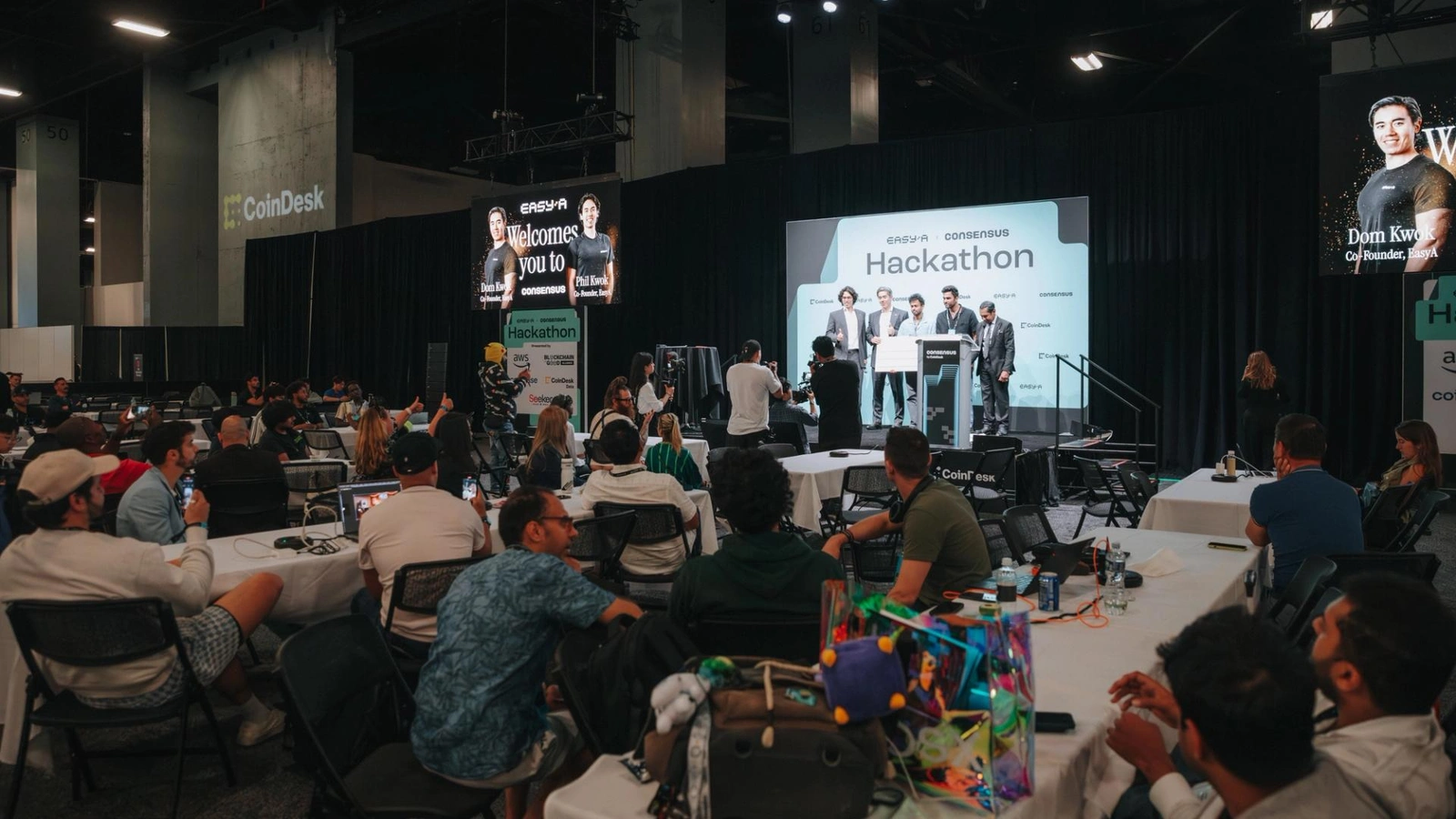
5 AI agents fueled a frenzy of startup building at the Consensus Miami EasyA hackathon
Why it matters: This development could influence sentiment depending on follow‑on data and market reactions.
Watch for credible follow‑ups from the same source or confirmations from other outlets before drawing conclusions.
Sponsored

Polymarket — Bet on real-world events with real money on the world's prediction market.
Predict & Earn →Risk Map
01 Sentiment just fell 9 points in one dayThe Fear & Greed Index dropped from 47 (Neutral) to 38 (Fear) overnight. That's not a gradual drift, that's a snap. When sentiment falls this fast while price holds, it usually means one of two things: smart money is quietly distributing, or retail just got spooked by a headline. Either way, the crowd is leaning fearful into a market that hasn't technically broken down yet. That gap closes eventually, and not always upward. |
02 Physical security is now a crypto risk factorCertiK's wrench attack data isn't just a personal safety story. It's a structural risk to retail participation. If high-net-worth crypto holders start self-censoring their on-chain activity or moving to privacy chains out of fear, that changes liquidity dynamics in ways that are hard to model. It also creates regulatory ammunition for KYC maximalists. |
03 Kraken's OCC charter bid could backfire badlyFederal bank charters come with federal oversight: capital requirements, stress tests, and the full weight of the OCC's examination process. If Kraken gets the charter and then fails an examination, the reputational damage to the entire crypto banking thesis could be severe. The upside is a moat. The downside is a very public regulatory failure in front of the biggest financial regulator in the US. |
04 SynthesisNet positioning: cautiously neutral until Fear & Greed recovers above 45 and BTC holds $80 thousand on a retest. The regulatory news is structurally bullish, but sentiment doesn't care about long-term structural stories when it's in Fear mode. |
Catalysts (Next 7 Days)
📅 Kraken OCC charter: initial agency response window Next 14 days
The OCC's first response to Payward's national trust bank application will signal whether the regulatory environment is genuinely open or still resistant. A positive acknowledgment reprices the entire crypto banking sector.
📅 Clarity Act Senate votes: Meta stablecoin disclosure deadline Week of May 12
Senator Warren's demand for Meta's stablecoin disclosure lands right before scheduled Clarity Act votes. If Meta responds, it sets a precedent for Big Tech's role in stablecoin legislation. If it doesn't, expect Warren to use the silence as a floor argument against the bill.

Sources
- Kraken's parent Payward just applied for a national... coindesk.com
- SEC Chair Atkins signaled the agency is weighing... coindesk.com
- Kraken's parent Payward just applied for a national... decrypt.co
- SEC Chair Atkins signaled the agency is weighing... bankless.com
- The ECB's Christine Lagarde warned that Tether and... coindesk.com
- Bitcoin miner IREN secured a $3.4 billion deal... decrypt.co
- AI agents fueled a frenzy of startup building... coindesk.com
- Clarity Act Senate votes: Meta stablecoin disclosure deadline decrypt.co
- coingecko.com coingecko.com
- defillama.com defillama.com
- stablecoins.llama.fi stablecoins.llama.fi
- alternative.me alternative.me
Disclosures
Not investment advice. For education only. Crypto is high risk. We may earn affiliate revenue from some links.
